
Preconstruction & Planning
Before You Buy Land in Golden Gate Estates: 10 Things Every Future Homeowner Should Check
By Will Taylor · Taylor Crafted Homes
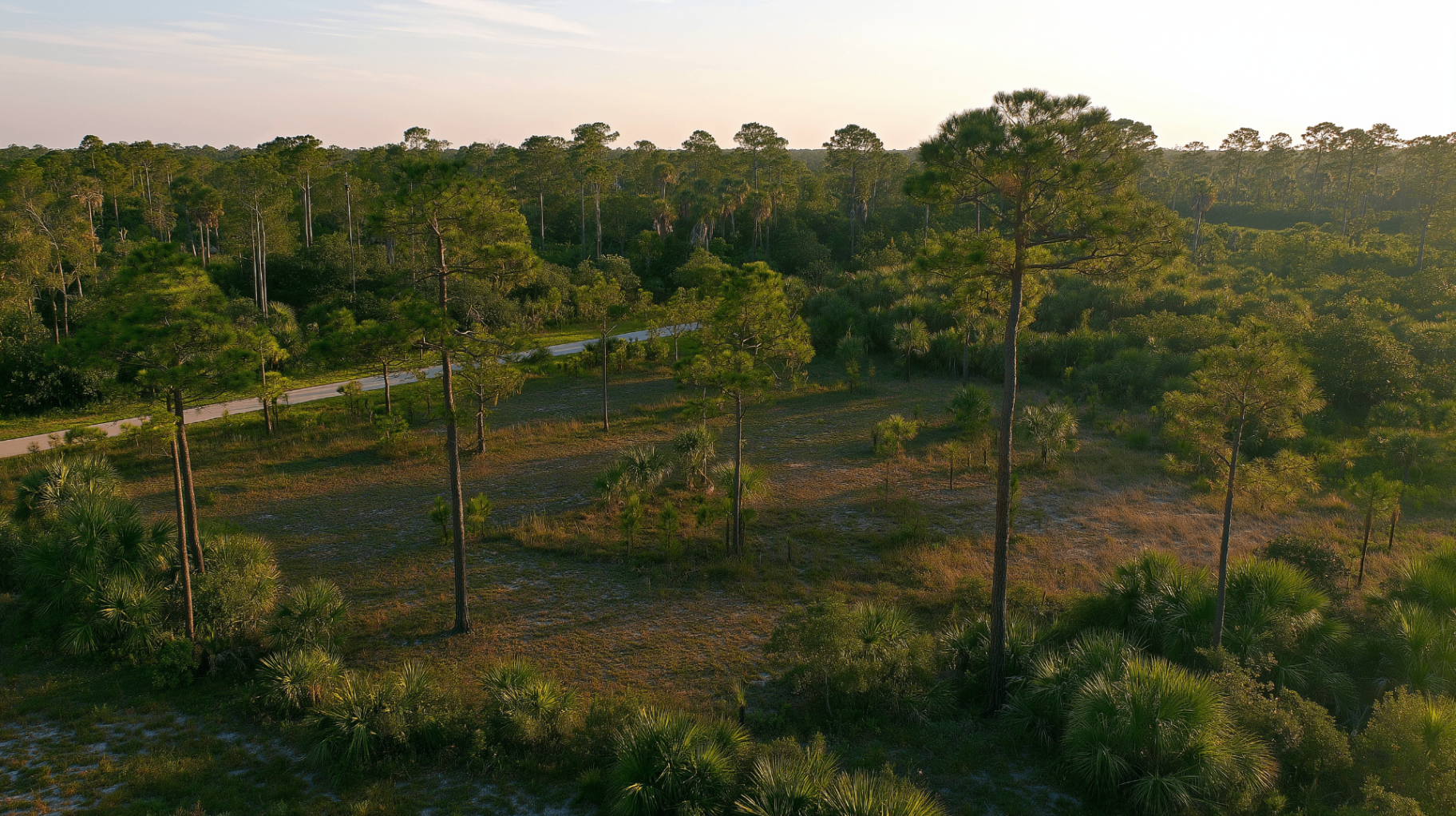
Golden Gate Estates is one of the few places in Collier County where a family can still buy acreage, build a custom home, and have room for a shop, a pool, a garden, or a separate living space for an aging parent. Lots of 1.14, 2.5, and 5 acres attract buyers from across Florida and out of state who want space without leaving the Naples area.
But buying land in Golden Gate Estates is not the same as buying a finished home lot in a subdivision. Most Estates properties have no central water or sewer, many sit low relative to the road, and environmental conditions vary from one tract to the next. Two lots on the same street, listed at similar prices, can have very different costs to build on.
As a licensed, veteran-owned residential builder working throughout Naples and Golden Gate Estates, Taylor Crafted Homes is often asked to look at a property after the buyer has already closed. The better time is before. This guide walks through the 10 items we recommend every future homeowner investigate before committing to Collier County vacant land.
One important note: regulations, fees, and requirements change, and every parcel is different. Nothing in this article replaces a property-specific review by Collier County and qualified professionals such as a licensed surveyor, engineer, environmental consultant, and septic contractor.
1. Wetlands and Environmental Restrictions
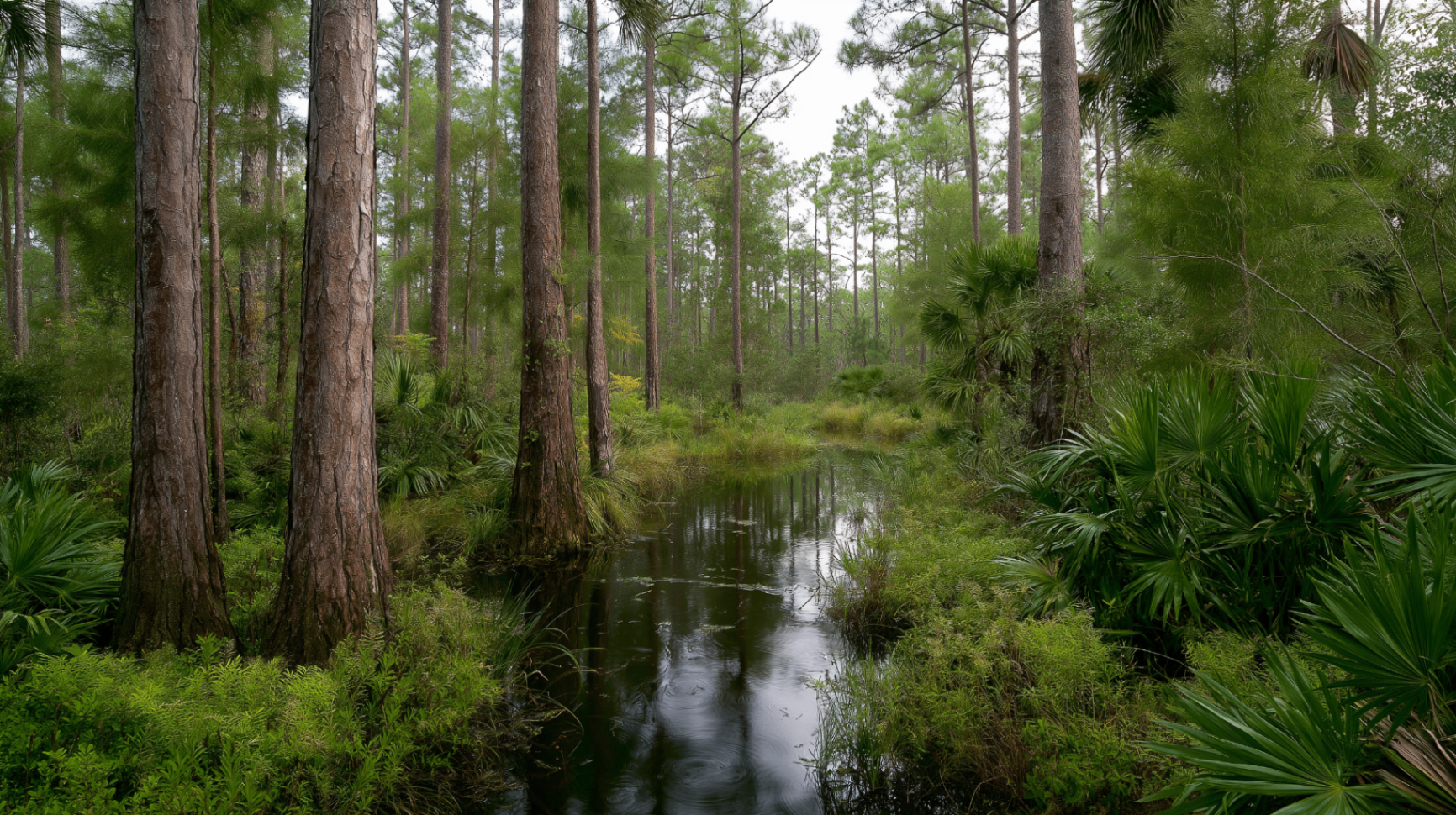
A vacant lot is not automatically a buildable lot. Some Golden Gate Estates parcels contain wetlands, either across the whole property or in pockets that limit where a home, driveway, and septic system can go.
Collier County's vegetation removal guidance specifically encourages informal wetland determinations for properties in Golden Gate Estates, which can be obtained from the County or the Florida Department of Environmental Protection (FDEP). Clearing in wetlands requires state permitting before any vegetation is removed, and the County cannot issue clearing permits for wetland areas until those approvals are in place.
What to check before you buy:
- Request an informal wetland determination or hire an environmental consultant to review the parcel.
- Look at aerial history. Standing water, cypress, or wetland plant species are warning signs.
- Ask whether the seller has any prior environmental reports, permits, or determinations.
Wetland issues do not always kill a deal, but they can shrink your usable building area, add permitting time, and change the design.
2. Zoning, Setbacks, and Allowable Structures
Many Golden Gate Estates parcels carry Estates zoning, and the area is also governed by the Golden Gate Area Master Plan and the Collier County Land Development Code. Together, these determine what you can build, where it can sit on the lot, and how accessory structures are treated.
This matters most for buyers who want more than a single home. Detached garages, workshops, barns, guest houses, and mother-in-law suites each have their own rules, and the requirements can differ depending on the zoning designation, lot size, and whether a structure is considered a guest house or an accessory building.
What to check before you buy:
- Confirm the parcel's zoning designation with Collier County Growth Management.
- Ask the County what setbacks apply to the principal home and to each accessory structure you are considering.
- If a guest house or accessory dwelling is part of your plan, confirm whether it is allowed on that specific lot and under what conditions before you close.
Do not rely on what a neighbor built or what a listing says is "allowed." Get the answer for your parcel in writing from the County.
3. Flood Zones and Finished-Floor Elevation Requirements
Flood zone and elevation requirements directly affect how much fill you need, how high your foundation must be, what your driveway slope looks like, and what flood insurance will cost.
Every new home permit in Collier County requires a site plan that identifies the flood zone and FEMA Base Flood Elevation, along with the elevation of the crown of the road. In Golden Gate Estates, many lots sit below road grade, so the required finished-floor elevation can mean bringing in significant fill.
What to check before you buy:
- Look up the parcel on the FEMA Flood Map Service Center.
- Contact Collier County Floodplain Management for flood zone and elevation information. The County also maintains an Elevation Certificate map with historic certificates for some properties. Start at collier.gov/floodinfo.
- Order a topographic survey early so your builder and engineer can estimate the height difference between existing grade and required floor elevation.
4. Septic System Feasibility, Soil Conditions, and Permitting
Most of Golden Gate Estates relies on private septic systems. Septic permitting in Collier County is handled through the Florida Department of Health in Collier County's Environmental Health office, and a septic application is part of the building permit process when a home will be on septic.
Septic feasibility depends on soil conditions, the seasonal high water table, lot layout, and required separation distances from wells, structures, property lines, and surface water. A septic site plan must show relevant features on or near the property, including wells and water bodies.
What to check before you buy:
- Have a licensed septic contractor or qualified professional perform a site evaluation and soil test.
- Ask how the water table and soil results affect drainfield size and elevation, since a mounded system can add to your fill and cost.
- Plan the home, well, driveway, pool, and future structures together. Septic placement often determines where everything else can go.
For background, see the Florida DEP Onsite Sewage program and contact the Florida Department of Health in Collier County Environmental Health office.
5. Well Water Availability, Water Treatment, and Utility Planning
Without central water service, most Golden Gate Estates homes rely on a private well. The South Florida Water Management District has jurisdiction over well construction, and Collier County permits and inspects residential wells under an agreement with the District.
Water quality varies across the area. Iron, sulfur, hardness, and other conditions are common concerns, so treatment equipment is often part of the budget.
What to check before you buy:
- Ask neighbors or local well contractors about typical well depths and water quality in that area.
- Budget for a water treatment system and confirm where the equipment will live on the property.
- Confirm electrical service availability with the utility provider, including distance from the nearest service point.
- Ask about internet and cell coverage if you work from home, since service can vary on rural streets.
6. Fill Dirt, Grading, Stormwater Drainage, and Site Preparation
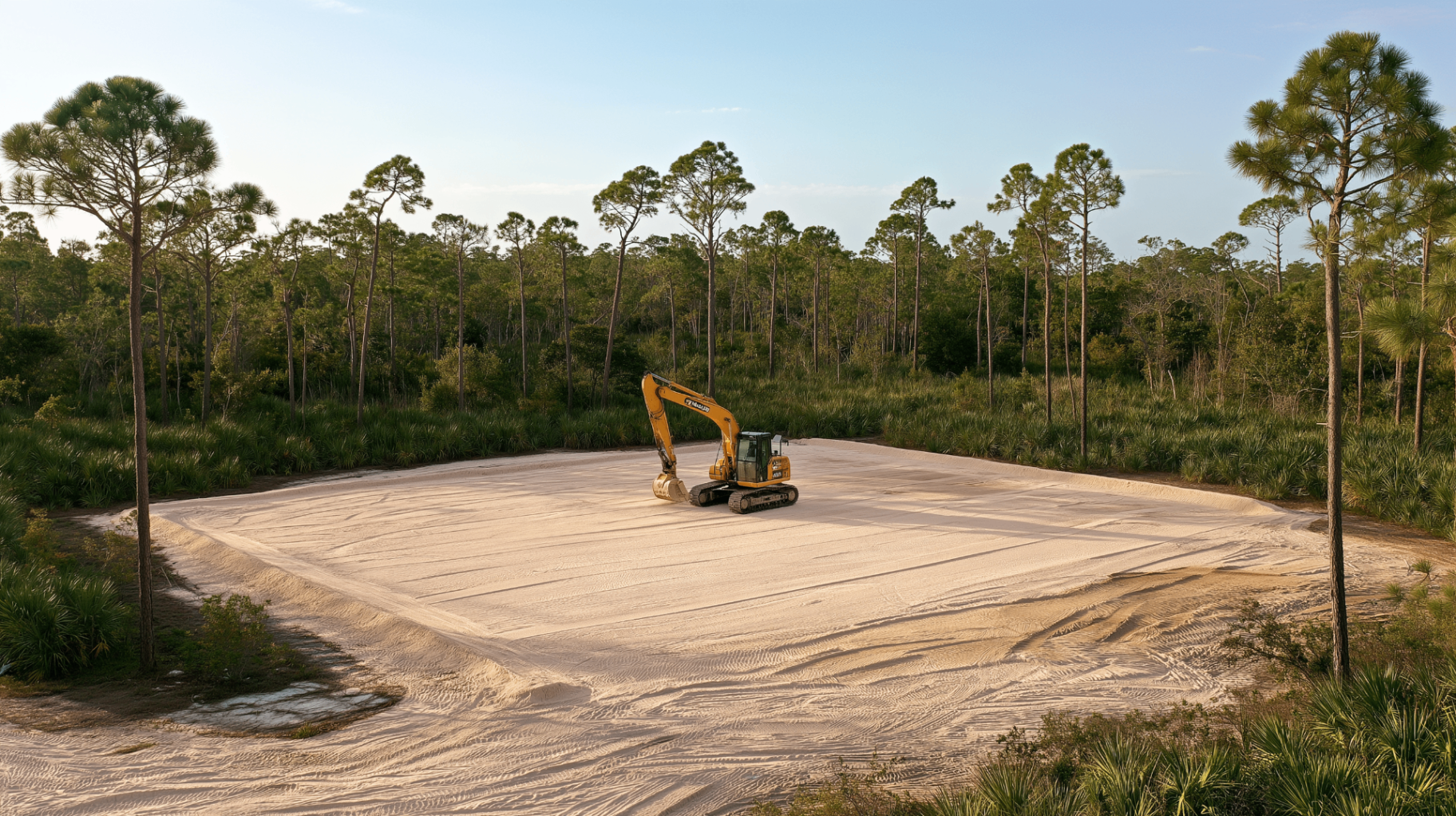
Fill is often the most underestimated cost on an Estates lot. The amount you need depends on the gap between existing grade, required finished-floor elevation, septic requirements, and the driveway connection to the road.
In Collier County, placing fill is treated as a regulated activity. The County's vegetation removal rules include placing additional fill, which requires the appropriate permit. Stormwater regulation in Collier County involves both the County and the South Florida Water Management District, and some lots have existing SFWMD permits that must be followed.
What to check before you buy:
- Get a topographic survey and an early estimate of fill quantities.
- Ask how your site will drain once it is raised, and how that affects neighboring properties and the roadside swale.
- Check whether the parcel already has any SFWMD surface water management or environmental resource permit.
7. Road Access, Driveway Permits, Culverts, and Easements
Every Golden Gate Estates home needs a legal, permitted connection to the road. When the road is County-maintained, Collier County requires a right-of-way permit to be issued before the house permit can be issued. Driveway construction in the right-of-way typically includes a culvert under the driveway to keep the roadside swale flowing.
Collier County's road maintenance FAQ notes that residential driveways can be up to 24 feet wide, with right-of-way permitting staff available for specifics.
What to check before you buy:
- Confirm the road is County-maintained, privately maintained, or unimproved. This affects permitting, access, and long-term upkeep.
- Review the survey and title work for easements, including drainage, utility, and access easements that limit where you can build.
- Confirm there is room for a driveway and culvert where you want the home's entrance.
Collier County's Right-of-Way Permitting page has current applications and fee schedules.
8. Lot Clearing, Protected Vegetation, and Environmental Permits
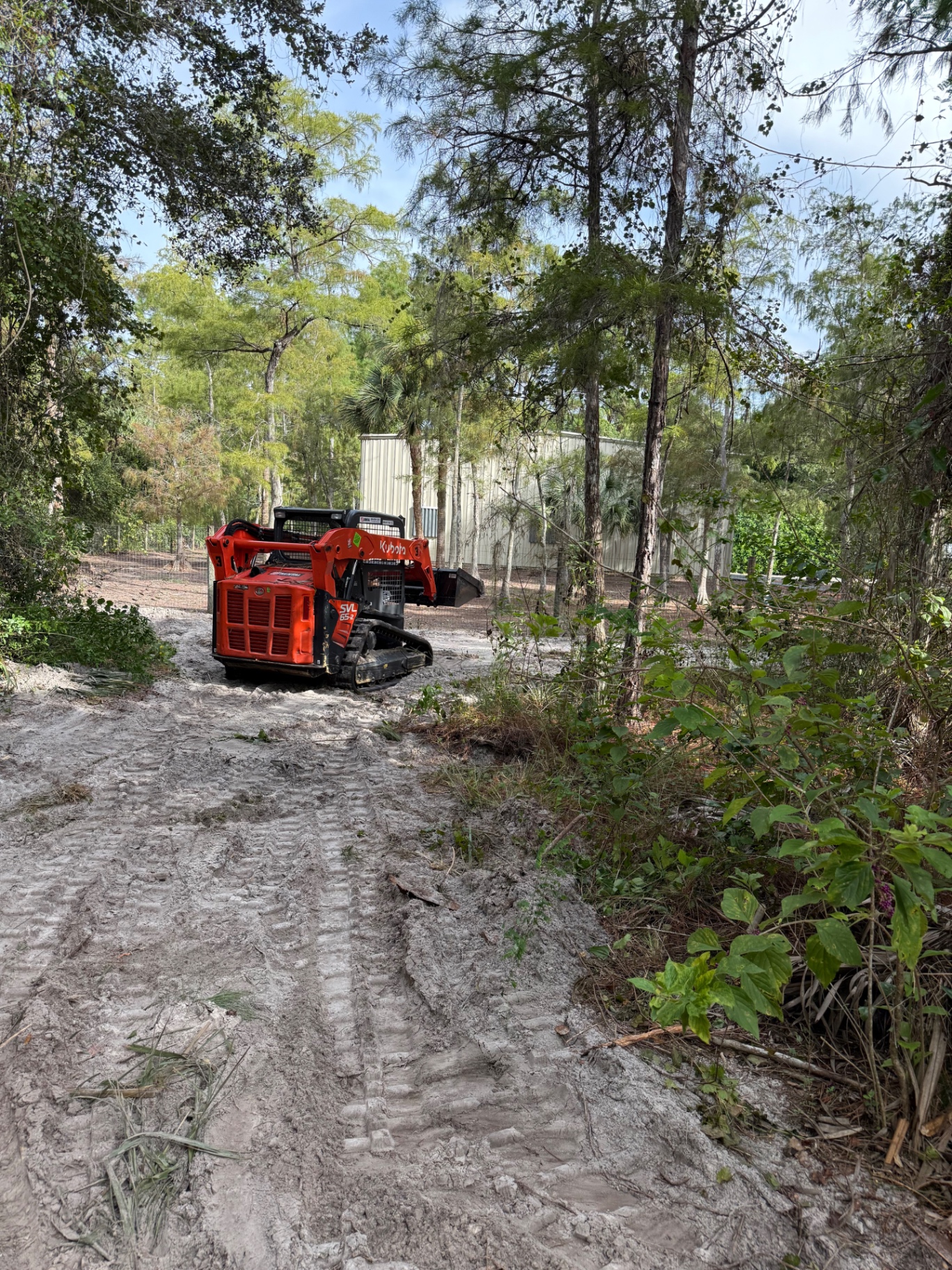
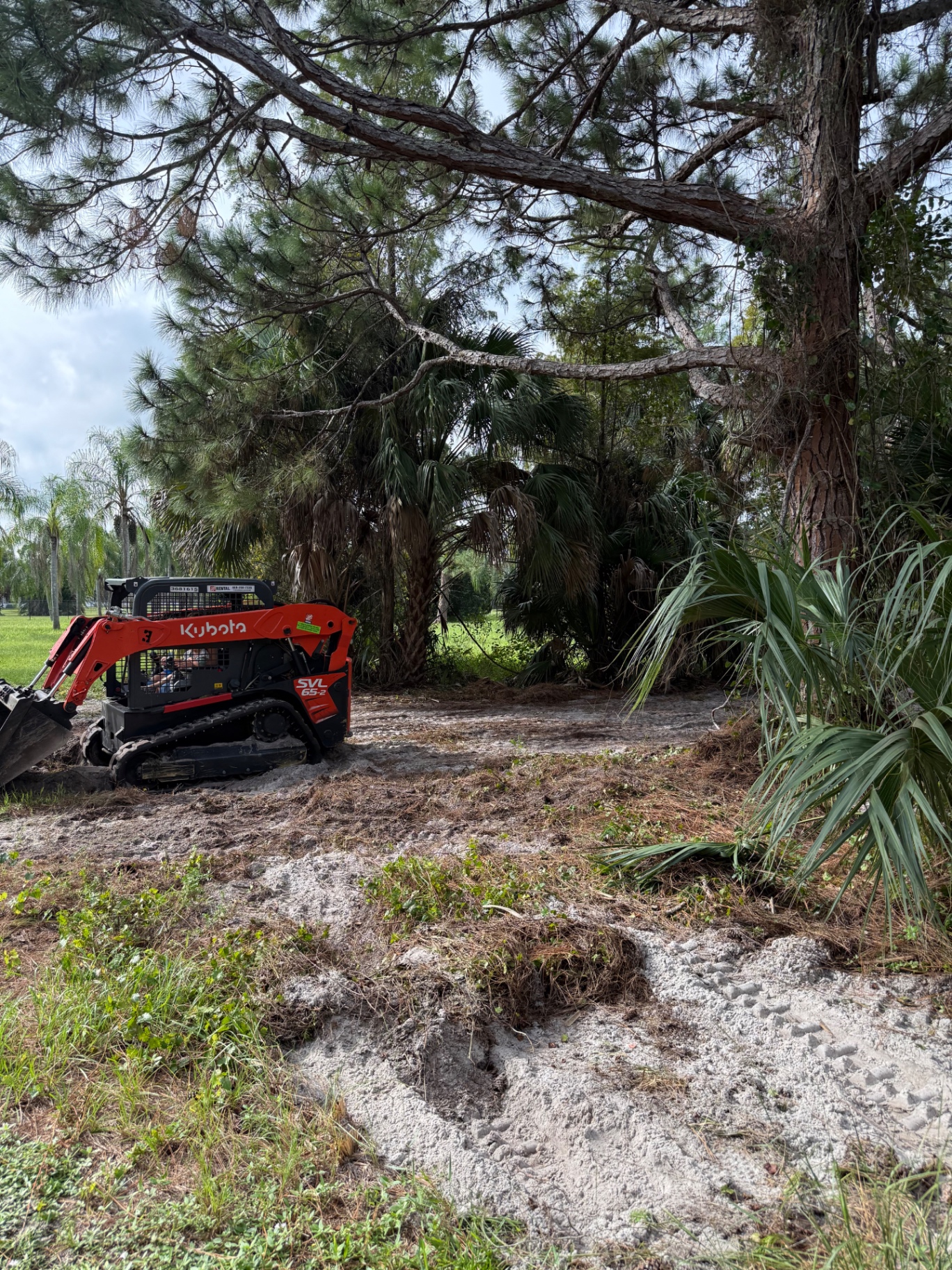
Buyers often assume they can clear the whole lot as soon as they close. In Collier County, that is not the case. Native vegetation cannot be removed before a building permit is issued. A permit for a new single-family home generally allows up to one acre of clearing, and clearing beyond that, such as for accessory structures, requires a separate Vegetation Removal Permit. Wetlands and certain overlay areas can reduce what is allowed.
Protected wildlife is another factor. Gopher tortoises are a state-listed threatened species, and the Florida Fish and Wildlife Conservation Commission (FWC) requires landowners to obtain a permit to relocate tortoises before clearing or development activity within 25 feet of a potentially occupied burrow. Disturbing the site too early can trigger additional permitting and mitigation.
What to check before you buy:
- Walk the property for gopher tortoise burrows and consider a professional wildlife survey.
- Map out how much clearing your full plan requires, including the home, septic, driveway, pool, and any shop or barn.
- Do not clear, fill, or bring equipment onto the lot until permits are in place.
See the FWC Gopher Tortoise rules and regulations and Collier County's vegetation removal requirements.
9. Future Construction Plans: Pools, Garages, Barndominiums, and Multigenerational Living
The right lot for a simple single-family home may not be the right lot for a home, pool, detached workshop, RV garage, and guest suite. Because septic, well, setbacks, wetlands, and clearing limits all compete for space, your long-term plan should shape your land decision.
This is especially true for buyers interested in a Golden Gate Estates barndominium or a metal building with living space. These projects often involve larger footprints, more clearing, more fill, and more careful planning around structural, flood, and permitting requirements.
What to check before you buy:
- Write down everything you hope to build in the next 10 years, not just the house.
- Have a builder sketch a preliminary site layout showing the home, septic, well, driveway, and future structures.
- Confirm that each planned structure is allowed and fits within setbacks and clearing limits.
Planning the whole property at the start can save you from placing the house where it blocks the shop, or locating the septic where the pool should go.
10. Realistic Total Development Costs Beyond the Land Price
The advertised land price is only the starting point. Before you can begin building the home itself, an Estates lot may require:
- Surveys, soil testing, and environmental review
- Engineering and design
- Clearing and protected species work
- Fill, grading, and compaction
- Septic system
- Well and water treatment
- Electrical service
- Driveway, culvert, and right-of-way work
- Permit and impact fees
These costs vary widely from lot to lot, which is why two similarly priced parcels can produce very different total project budgets. A lower-priced lot that needs significant fill or has wetland constraints can end up costing more than a higher-priced lot that is ready to build.
What to check before you buy:
- Request a preliminary site development budget from a local builder before closing.
- Ask your lender how land, site work, and construction will be financed.
- Build a contingency into your budget. Site conditions are not fully known until work begins.
Frequently Asked Questions
Can I build on any vacant lot in Golden Gate Estates?
Not necessarily. Wetlands, zoning, flood elevation, septic feasibility, access, and environmental restrictions can all limit or complicate construction. Every lot should be evaluated individually with Collier County and qualified professionals before purchase.
How much land can I clear in Golden Gate Estates?
Collier County generally allows up to one acre of clearing once a building permit for a new single-family home is issued. Clearing beyond that typically requires a separate Vegetation Removal Permit, and wetlands or other conditions may reduce what is allowed. Confirm with the County for your specific parcel.
Do I need fill dirt to build in Golden Gate Estates?
Many lots require fill to meet finished-floor elevation, septic, and driveway requirements, but the amount varies significantly. A topographic survey and builder review will give you a realistic estimate.
Can I build a guest house or mother-in-law suite on my lot?
It depends on the parcel's zoning, lot size, and County requirements for guest houses and accessory structures. Confirm what is allowed with Collier County Growth Management before you buy, and plan the space for septic and setbacks accordingly.
When should I talk to a builder about a property?
Before you close, ideally during your due diligence period. A builder can help identify site costs, layout issues, and feasibility concerns while you still have the option to negotiate or walk away.
Start With the Land, Not Just the Floor Plan
Golden Gate Estates offers something increasingly rare in Southwest Florida: room to build the home and lifestyle you actually want. The families who have the best experience are the ones who evaluate the land carefully before they buy.
Taylor Crafted Homes is a licensed, veteran-owned residential construction company serving Naples, Golden Gate Estates, Bonita Springs, and the surrounding Collier County communities. We build custom homes, barndominiums, metal buildings, and multigenerational properties, and we understand what it takes to turn Estates acreage into a finished home.
Our preconstruction planning service helps you evaluate a property, develop a preliminary construction budget, confirm building feasibility, and coordinate design before you commit to major costs. Whether you are comparing lots, under contract, or already own land, we can help you plan the next step with clear information.
Schedule your consultation with Taylor Crafted Homes and start your Golden Gate Estates project on solid ground.